PRP and microneedling: how they differ and what to ask
PRP uses a platelet concentrate prepared from your own blood; microneedling uses fine needles to prompt the skin's repair response. How each works, who they are discussed for, when they are combined and what to ask.
Author: CNR AestheticsPublished 5 min read
PRP and microneedling are both discussed for skin quality, texture and some types of scarring, but they are different procedures. PRP, or platelet-rich plasma, is prepared from a small sample of your own blood and then injected or applied to the skin or scalp. Microneedling uses a device with fine needles to make controlled micro-injuries in the skin, prompting its natural repair response. They are sometimes used together, and whether that suits you is a question for the clinician carrying out the procedure.
This guide sets out how each works, who they tend to be discussed for and what to ask. It is not medical advice. We coordinate appointments with independent partner clinics in Istanbul; the assessment and the decision belong to the clinician.
How PRP works
For PRP, a small amount of blood is drawn from your arm, as for a routine blood test. The sample is spun in a centrifuge to separate its components, and the plasma containing a concentration of platelets is collected. Platelets carry growth factors involved in tissue repair, and the rationale for PRP is that placing this concentrate in the skin or scalp may support those processes. The preparation method and the kit used vary between clinics.
Because PRP comes from your own blood, the product is prepared on the day rather than taken from a box. That makes hygiene, the preparation system and the handling of the sample important things to ask about. The evidence for PRP differs by indication, and a careful clinician will be open about that.
How microneedling works
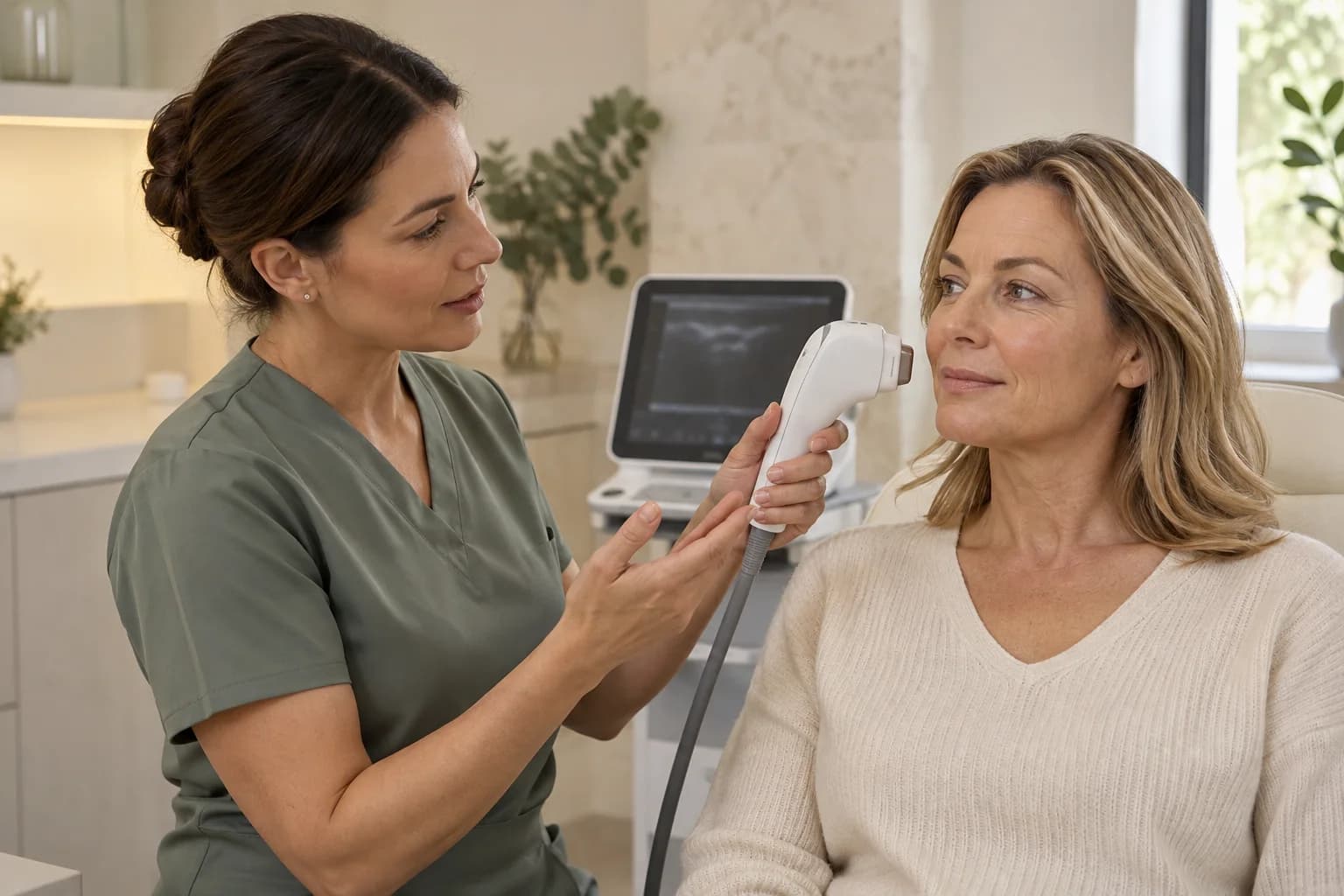
Microneedling uses a pen-type device or roller fitted with fine, sterile needles. As it passes over the skin, it creates many tiny channels at a depth the clinician sets. The skin responds to these controlled micro-injuries with a repair process that involves new collagen, which is why microneedling is discussed for texture, enlarged pores and some acne scars. Changes, where they occur, develop gradually.
Redness and sensitivity afterwards are common, and the skin may need protection from sun and certain skincare products for a period. Needle depth, the device and hygiene all matter, which is one reason microneedling in a clinic differs from home rollers.
Who each is usually discussed for
The concern, your skin type and your medical history all shape what a clinician suggests. Broadly:
PRP is discussed for skin quality, under-eye concerns and, separately, for some types of hair thinning on the scalp.
Microneedling is discussed for skin texture, enlarged pores, fine lines and some acne scars.
Either may be unsuitable with active acne, skin infection, certain blood or immune conditions, some medicines or pregnancy; the clinician will review your history.
People with a tendency to pigmentation or keloid scarring should mention it, as it affects planning.
When they are combined
Some clinicians apply PRP to the skin during or after microneedling, on the basis that the channels may help it reach deeper layers. Others prefer to use one approach on its own. Whether a combination suits your skin, and what the evidence looks like for your particular concern, is a question to put directly to the clinician carrying out the procedure. Ask what each component adds, and how the plan would change if you had only one.
Questions to ask at the consultation
You may want to ask:
For PRP, which preparation system is used, and how is the blood sample handled and labelled?
For microneedling, which device is used, what needle depth is planned and are the needle cartridges single-use?
Is a numbing cream used, and how long before the procedure is it applied?
How many sessions are usually discussed for your concern, and how far apart?
What does the evidence show for your specific concern, and where is it limited?
Which skincare products should you pause beforehand and afterwards?
If an answer is unclear, ask for it to be repeated or written down. Taking time to consider the plan before agreeing is entirely reasonable, particularly if you are speaking through an interpreter.
Planning around a trip
Both procedures can leave the skin red and sensitive for a while, and microneedling in particular calls for sun protection afterwards. Istanbul days can involve a lot of time outdoors, so it helps to place the session where you can rest the skin before sightseeing in strong sun. If a course of sessions is suggested, think about whether you can return for later appointments or whether part of the plan would need to continue with a clinician at home. Keep a written note of what was done, the device or preparation system, and any skincare instructions.
Is PRP made from my own blood?
Yes. A small blood sample is taken and processed on the day to concentrate the platelets. Ask how the sample is labelled and handled so that it stays with you throughout.
Is clinic microneedling the same as using a home roller?
No. In a clinic, the clinician selects the device, the needle depth and the hygiene steps. Ask which device is used and whether needle cartridges are single-use.
Can PRP and microneedling be done in the same session?
Some clinicians combine them; others do not. Whether a combination makes sense for your skin is a question for the clinician carrying out the procedure, who can explain what each part adds.
Will I need more than one session?
Both are often discussed as a course rather than a single session, but the plan depends on your skin and goals. Ask the clinician what they suggest and why.
Does microneedling cause downtime?
Redness and sensitivity are common afterwards, and how long they last varies. The clinician will explain what to expect for the depth planned and which activities to avoid.
If you would like help arranging a PRP or microneedling consultation in Istanbul, message our coordinators on WhatsApp or through the contact form. We organise the appointment and timing; the assessment, the choice of approach and the advice come from the clinician carrying out the procedure.
General information
This guide is general information and not medical advice. Your providing clinician will give you instructions for your procedure.
Related procedure
PRP
PRP involves processing blood taken from you to obtain a platelet-rich preparation, which is then applied to the selected area. The preparation system and protocol can affect the outcome. Purpose, evidence level and expected response differ between uses such as skin and scalp, and using your own blood does not remove the need for clinical suitability and sterility standards.